
Have you ever thought about how software developers keep their new ideas safe? In today’s fast-changing digital world, knowing about legal protections is key. It’s not just a good idea—it’s a must.
Software development is a complex world. Here, intellectual property rights are very important. There are many ways to protect a developer’s work, ideas, and interests.
Copyright laws and intellectual property rights help keep code, algorithms, and new tech safe. These laws let developers protect their work. They stop others from using it without permission.
Table of Contents
Key Takeaways
- Legal protections are essential for software developers’ intellectual property
- Multiple legal mechanisms exist to protect software innovations
- Understanding copyright and patent laws is critical for developers
- Proactive legal strategies can prevent intellectual property disputes
- Professional guidance helps navigate complex legal landscapes
- Different types of legal protections serve unique purposes in software development
Introduction to Legal Protections for Software Developers
The world of software development is very complex. It needs strong legal protections to keep work safe. Software patents and copyrights help protect developers’ ideas and make sure they get paid for their work.
Legal rights for coders are more than just owning something. They are a big system to keep software makers safe. It stops others from using their ideas without permission.
Importance of Legal Protections in Software Development
Keeping software code safe is very important today. The U.S. software industry is big and helps a lot of people. It supports over 9 million jobs and directly employs about 2.5 million people.
- Safeguards intellectual property rights
- Prevents unauthorized code reproduction
- Ensures fair compensation for developers
- Provides legal recourse against infringement
Key Legal Concepts for Developers
Knowing about legal protections is key for developers. These protections help keep their work safe. They include ways to protect their ideas:
| Legal Protection | Key Features | Duration |
|---|---|---|
| Copyright | Automatic protection for original works | Life of author + 50 years |
| Patents | Protection for innovative software solutions | 20 years from filing date |
| Trade Secrets | Protects confidential business information | Indefinite while kept secret |
Developers must understand and use these legal protections. This helps keep their work safe and keeps them ahead in the fast-changing software world.
Intellectual Property Rights Explained
Software developers face a complex legal world. Intellectual property rights help protect their work. This ensures they can keep their innovations safe and stay ahead.
- Copyrights protect original code
- Patents keep innovative technologies safe
- Trademarks help brands stand out
- Trade secrets keep secrets safe
Copyright Protection for Software
Software licensing agreements are key. They tell us how code can be used. Copyrights automatically protect software code for 70 years.
The U.S. Copyright Office gives these protections without needing to register. But, registering can give more legal benefits.
Software Patent Innovations
Patents are a strong tool for developers. They protect unique software ideas for 20 years. This stops others from copying specific technologies.
But, open source legal issues can get complicated. This is when patents meet shared development.
Trademarks in Software Development
Trade secrets are another big protection. Keeping secrets about algorithms and methods keeps developers ahead. About 70% of companies don’t have a plan for these protections.
Good management of intellectual property can make up to 80% of a company’s value. This shows how important these legal protections are for developers.
Copyrights: What Developers Should Know
Software developers face a complex world of intellectual property. It’s key to know about copyright law. This helps protect their software and avoid legal trouble.
Copyright law is a big help for developers. The Copyright Act of 1976 says original works get protection right when they’re made. This gives developers legal rights from the start.
Duration of Copyright Protection
How long copyright lasts is quite long. Here are some important points:
- It lasts for 70 years in most places
- It starts right when the work is made
- Registering it can give more legal benefits
How to Register a Copyright
Developers should think about registering their copyrights. Here’s how to do it:
- Get all the details of the software ready
- Send in an application to the U.S. Copyright Office
- Pay the fee needed for registration
Registering helps developers fight copyright infringement. They can also ask for more money in court.
Rights Granted Under Copyright
| Copyright Right | Description |
|---|---|
| Reproduction | Exclusive right to duplicate the software |
| Distribution | Control over software distribution channels |
| Derivative Works | Permission to create modified versions |
NDAs add to copyright protection. They give extra legal safety for developers’ ideas. It’s important for developers to keep their work safe.
Patents: Safeguarding Innovations
Software patents are key for protecting new tech in the digital world. Developers need to know how patents work to keep their software safe.

Patents give developers special rights to their tech. This helps keep their ideas safe in a competitive market.
Types of Patents Relevant to Software
There are two main types of software patents:
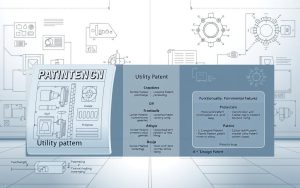
- Utility Patents: Protect the working parts of software
- Design Patents: Protect the look of software interfaces
Process of Obtaining a Patent
Getting a software patent takes many steps. Developers must:
- Look for similar ideas
- Write up detailed tech plans
- Send in a patent application
- Answer questions from the USPTO
Benefits of Patent Protection
Patents help developers in big ways. They can license their software legally and stay ahead in the market. Patents last up to 20 years, giving developers control over their tech.
It’s important for SaaS companies to know the difference between patents and copyrights. Patents protect the tech idea, while copyrights protect the code itself.
Trade Secrets as Legal Protections
Software developers have big challenges in keeping app ideas safe. Trade secrets are a strong way to protect ideas that can’t be covered by copyright or patents.
Trade secrets are secret business info that help companies stay ahead. They include things like:
- Secret algorithms
- Unique ways of working
- Lists of customers
- Special business methods
Understanding Trade Secret Protection
Contracts for software freelancers often have trade secret rules. For info to be protected, it must:
- Really be a secret
- Have value for business
- Have steps taken to keep it secret
Best Practices for Maintaining Secrecy
Developers can keep secrets safe with smart steps:
- Make strong non-disclosure agreements
- Use top-notch digital security
- Only let a few people see important info
- Have clear rules for keeping secrets inside
Legal Recourse for Trade Secret Theft
The Economic Espionage Act of 1996 gives big legal help. Taking trade secrets can lead to big fines and jail time.
Software developers must always watch over their ideas. Trade secret protection can last forever if the info stays secret.
The Role of Licensing Agreements
Software licensing agreements are key legal rules. They tell us how to use, share, and change software. They help protect developers and set clear rules for using software.
Licensing agreements help keep programming code safe. They let developers control their work. They set rules for using software in different ways.
Types of Software Licenses
Developers have many ways to protect their work:
- Proprietary Licenses
- Open-Source Licenses
- Hybrid Licensing Models
- Software-as-a-Service (SaaS) Licenses
Key Licensing Terms to Consider
Developers must think about these important parts:
- Usage permissions
- Distribution rights
- Modification constraints
- Liability limitations
Enforcement of License Agreements
To enforce licenses, developers need to watch how software is used. They must track if rules are followed. They also need legal ways to protect their rights.
| License Type | Duration | Enforcement Mechanism |
|---|---|---|
| Proprietary License | 3-5 years | Legal action |
| Open-Source License | Perpetual | Community monitoring |
| SaaS License | Annual renewal | Software access control |
Licensing agreements are very important for software developers. They help protect their work and control how it is shared.
Employment Agreements and Developer Rights
Understanding employment agreements is key to software development legal compliance. These contracts protect both developers and employers. They set clear rules for work relationships.
It’s important to know about contract clauses that affect a developer’s rights. These clauses are vital for future career chances.
Essential Clauses in Employment Contracts
Software developer contracts have important parts:
- Intellectual property ownership terms
- Confidentiality requirements
- Compensation and benefits structure
- Performance expectations
Understanding Non-Compete Agreements
Non-compete agreements are key in software development NDAs. They stop developers from working for competitors for a set time after leaving a job.
Important things to know about non-compete agreements include:
- Geographic limitations
- Duration of restrictions
- Specific industry constraints
- Potential legal enforceability
Work Product Ownership Dynamics
Who owns software made at work can be tricky. Most contracts say the employer owns it, except for some pre-existing ideas.
Developers should check their contracts. They need to know about their rights to their code and ideas.
Open Source Software and Legal Protections
Open source software is a world where many people work together. It changes how we think about owning software. It gives special legal help to those who make software and helps everyone work together on new tech.

The world of open source software is full of legal details. It’s important for developers to know about software copyright laws. This helps them use open source software safely and well.
Understanding Open Source Licensing
Open source licensing lets people share and work together on software. The Open Source Initiative (OSI) has rules for what makes software open source. These rules include:
- Free distribution of source code
- Ability to modify and distribute derivative works
- Transparent licensing terms
Challenges and Risks of Open Source
Developers have to deal with many issues when using open source software. OSS “tainting” can happen. This means they might have to share their work under the same open source license.
| License Type | Key Characteristics | Usage Complexity |
|---|---|---|
| MIT License | Highly permissive | Low |
| GPL | Strong copyleft requirements | High |
| Apache License | Balanced permissions | Medium |
Legal Implications of Open Source Software
Companies using open source software need to follow the law closely. They must track open source software, keep good records, and know the rules. This helps them avoid legal problems.
There are over 200 kinds of open-source licenses. Developers must watch out for the legal side of their choices. Working together and being proactive can help avoid legal issues.
Software Development and Consumer Protection Laws
Software developers face many rules that affect their work. These rules help protect users and the developers’ rights. It’s important to know these laws to make good products.
Key Consumer Protection Requirements
Consumer protection laws set important rules for making and selling software. They aim to keep users safe by:
- Ensuring products work well
- Being clear about what services are offered
- Being honest about prices
- Providing good customer help
Implications for Software Development
Patents and copyrights are key for protecting developers. They also help meet consumer protection rules. Developers need to:
- Make detailed user agreements
- Keep user data safe
- Have clear refund and support policies
- Make sure products are high quality
Consumer Remedies and Protection
Users have ways to deal with software problems. They can:
- Ask for refunds for bad products
- File complaints with agencies
- Go to court for unfair practices
- Ask for clear info about how software works
By following consumer protection rules, developers can gain trust. They can also avoid legal problems. This helps make better products that meet both quality and legal standards.
Privacy Laws Impacting Software Developers
The world of digital privacy has changed a lot. This has made it hard for software developers to keep their code safe. Now, knowing about privacy laws is key for making good software.

The United States doesn’t have one big law for data privacy. Fragmented state-level regulations are what developers must follow.
Overview of Major Privacy Regulations
Many big privacy laws have changed how software is made:
- California Consumer Privacy Act (CCPA)
- California Privacy Rights Act (CPRA)
- Virginia Consumer Data Protection Act
- Colorado Privacy Act
Implications for Software Development Practices
Now, software licenses must think about privacy a lot. Developers need to plan how to get user consent and handle data well.
| State | Privacy Act | Effective Date |
|---|---|---|
| California | CCPA/CPRA | January 1, 2023 |
| Colorado | Colorado Privacy Act | July 1, 2023 |
| Virginia | Consumer Data Protection Act | January 1, 2023 |
Best Practices for Compliance
To deal with open source legal issues, follow these steps:
- Use privacy by design
- Make clear privacy policies
- Do privacy impact assessments often
- Use strong data encryption
Software developers need to keep up with privacy laws. This helps protect user data and follow the law.
Navigating International Legal Protections
Software developers work all over the world. They face many legal challenges. It’s key to know how to protect trade secrets and stop copyright issues in different places.
Software development is global. It needs strong plans to keep ideas safe. Developers must deal with many laws that change from country to country.
International Copyright Laws and Their Impact
Copyright laws for software are not the same everywhere. The Berne Convention helps by making copyright recognized in many countries.
- Automatic protection of original software expressions
- Registration providing enhanced legal remedies
- Variations in copyright enforcement across jurisdictions
Critical Treaties Affecting Software Development
Many treaties are important for software developers. They set basic rules for protecting ideas.
| Treaty | Key Protection | Global Reach |
|---|---|---|
| Berne Convention | Automatic Copyright Recognition | 171 Countries |
| WIPO Copyright Treaty | Digital Work Protection | 110 Countries |
| TRIPS Agreement | Intellectual Property Standards | 164 WTO Members |
Global Distribution Considerations
International software distribution needs careful legal planning. Developers must think about licenses, local laws, and enforcement issues when they go global.
Developers need good legal plans and know about global IP laws. This helps them succeed in the global market.
Litigation and Dispute Resolution for Developers
Software developers face many legal challenges. These can hurt their careers a lot. It’s key to know how to solve disputes to protect their work and keep good business ties.
Legal fights in software development come from many places. This includes fights over who owns what, breaking contracts, and not following licensing rules. Big companies have lost a lot of money, like $5.4 billion from a CrowdStrike update.
Common Legal Challenges in Software Development
- Copyright infringement claims
- Patent disputes related to software innovations
- Licensing software legally agreements
- Confidentiality breaches
- Contractual disagreements
Approaches to Resolving Disputes
Developers have many ways to deal with legal fights. The best ways often use software developer NDA agreements and other ways to solve disputes.
| Dispute Resolution Method | Key Characteristics | Average Resolution Time |
|---|---|---|
| Negotiation | Direct communication between parties | 30-60 days |
| Mediation | Neutral third-party facilitates resolution | 45-90 days |
| Arbitration | Binding decision by neutral arbitrator | 60-120 days |
| Litigation | Court-based legal proceedings | 6-24 months |
Role of Mediation and Arbitration
Methods like mediation and arbitration are very helpful. Twelve states and Washington D.C. have laws that protect what’s said in mediation. These ways are usually quicker and cheaper than going to court.
When legal problems come up, developers should keep good records. They should also know the difference between software patent vs copyright laws.
The Future of Legal Protections in Software Development
The world of software development is changing fast. Legal protections for software developers are also changing quickly. This means we need new ways to handle SaaS legal issues and protect app ideas.
Artificial intelligence and blockchain are changing how we see legal issues in software. By 2027, half of all software developers will use AI in their work. This will bring new legal challenges for freelancers.
Emerging Trends in Software Law
The legal world is changing because of new technology. Some big trends include:
- AI-generated code and its legal issues
- Blockchain’s effect on intellectual property rights
- New ideas about what makes software original
Impact of Technology on Legal Protections
New tech is making old legal ideas seem outdated. Originality in software is now different because of AI. A study showed that using AI tools made developers 48% more productive.
Preparing for Changes in the Legal Landscape
Software developers need to get ready for legal changes. Here’s how:
- Keep up with new tech rules
- Learn about AI’s legal side
- Keep detailed records of creative work
The Gartner hype cycle says AI will become common in software engineering soon. This shows how important it is for developers to stay legally smart and up-to-date.
Conclusion: The Importance of Legal Awareness for Developers
Software development IP rights are very important. They need careful handling and full understanding. Knowing the law well helps avoid problems and keeps work safe.
Liability protection for developers is key. Knowing the law helps make strong rules to protect ideas. It also lowers risks. Developers should learn about copyright, patents, and trademarks to keep their work safe.
The tech world is always changing. Knowing the law is very important for tech workers. They need to keep up with new laws, risks, and trends. Using legal resources, going to workshops, and talking to experts can help a lot.
Legal knowledge is not just about rules. It’s about making a fair and safe place to work. By understanding the law, developers can keep creating new things while keeping their ideas safe.