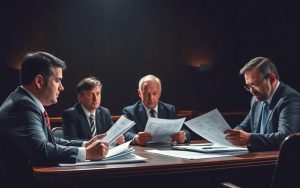

Explore the intricacies of witness testimony, including factors affecting credibility, common challenges, and techniques for challenging witness statements. Learn about recent developments and case studies in the field.
Table of Contents
1. Introduction
Witness Testimony is a cornerstone of the legal system, offering critical insights and firsthand accounts that can influence the outcome of a case. At its core, witness testimony involves an individual recounting their observations or experiences related to the legal matter at hand. Whether it’s an eyewitness recounting what they saw or an expert providing specialized knowledge, the reliability of this testimony can significantly impact judicial decisions. In this article, we’ll delve into the various aspects of witness testimony, including its credibility, challenges, and how it can be effectively evaluated and contested.
2. Types of Witness Testimony
Witness testimony can be categorized into several types, each serving a unique role in legal proceedings.
Eyewitness Testimony
Eyewitness testimony comes from individuals who have directly observed an event. This type of testimony is often crucial in criminal cases where the sequence of events needs to be established. However, the accuracy of eyewitness accounts can be affected by various factors, such as the witness’s vantage point and the passage of time.
Expert Testimony
Expert testimony is provided by individuals with specialized knowledge in a particular field, such as forensic experts or medical professionals. Their role is to offer opinions based on their expertise, which can help clarify complex issues for the court.
Character Witness Testimony
Character witness testimony involves individuals who speak to the character or reputation of a person involved in the case. This type of testimony is often used to support or challenge the credibility of a party or witness.
Hearsay Testimony
Hearsay testimony refers to statements made outside of court that are being offered to prove the truth of the matter asserted. Generally, hearsay is not admissible due to its inherent unreliability, but there are exceptions to this rule.
3. Factors Affecting Credibility of Witnesses
Understanding the credibility of witness testimony requires an analysis of several factors.
Perception and Memory
The accuracy of witness testimony is heavily influenced by their perception and memory. Human memory is fallible and can be affected by stress, time, and cognitive biases. Witnesses might not recall details accurately, which can lead to discrepancies in their statements.
Bias and Motive
Witnesses may have personal biases or motives that affect their testimony. Biases could stem from relationships with the parties involved or personal beliefs, while motives might include seeking favor or avoiding repercussions.
Consistency of Statements
Consistency is a key indicator of credibility. If a witness’s statements are consistent over time and align with other evidence, they are generally considered more reliable. Inconsistencies, however, can raise doubts about the witness’s truthfulness or accuracy.
Physical and Emotional State
A witness’s physical and emotional state at the time of testimony can impact their ability to provide accurate accounts. Factors such as fatigue, stress, or trauma can influence their reliability.
4. Evaluating Witness Credibility
Evaluating witness credibility involves a thorough assessment of several elements.
Corroborative Evidence
Corroborative evidence is crucial in supporting or refuting witness testimony. This includes physical evidence, documents, or other witness statements that confirm or contradict what the witness has said.
Witness Background and History
A witness’s background, including their prior history and credibility, can impact how their testimony is perceived. For example, a witness with a history of dishonesty may be scrutinized more closely.
Cross-Examination Techniques
Cross-examination is a powerful tool in assessing witness credibility. During this process, attorneys may challenge a witness’s statements, explore inconsistencies, and test their reliability.
Use of Expert Witnesses
Expert witnesses can provide valuable insights into the credibility of other witness testimonies. For instance, psychologists may assess a witness’s mental state or reliability.
5. Common Challenges to Witness Statements
Witness statements are often subject to various challenges that can impact their admissibility and reliability.
Inconsistencies in Testimony
Inconsistencies in a witness’s testimony can undermine their credibility. These inconsistencies might be due to errors in memory, deliberate deception, or misunderstandings.
Recollection Issues
Witnesses may struggle with recalling specific details accurately. Factors like stress or the passage of time can distort their memories, leading to potential challenges in court.
Influence of External Factors
External factors, such as media coverage or public opinion, can influence a witness’s statements or perceptions. This can lead to biased or skewed testimony.
Fraudulent Testimony
Fraudulent testimony involves deliberate lies or false statements made by a witness. Detecting and challenging fraudulent testimony is critical for ensuring justice.
6. Legal Standards and Framework
The legal framework governing witness testimony includes several key standards and rules.
Admissibility of Witness Testimony
The admissibility of witness testimony is governed by rules of evidence that determine what information can be presented in court. This includes assessing the relevance and reliability of the testimony.
Rules of Evidence
Rules of evidence, such as the Federal Rules of Evidence in the United States, outline the procedures for presenting and challenging witness testimony. These rules help ensure that only reliable and pertinent testimony is considered.
The Role of the Judge and Jury
The judge and jury play critical roles in evaluating witness testimony. The judge ensures that testimony adheres to legal standards, while the jury assesses its credibility and relevance.
Standards of Proof and Burden of Proof
Standards of proof, such as “beyond a reasonable doubt” or “preponderance of the evidence,” dictate the level of certainty required to establish a fact. The burden of proof determines which party is responsible for providing evidence.
7. Psychological Aspects of Witness Testimony
The psychological aspects of witness testimony involve understanding how mental and emotional factors affect the accuracy and reliability of statements.
Memory Formation and Distortion
Memory formation is a complex process that can be influenced by various factors. Distortion in memory can occur due to suggestive questioning, leading to inaccurate or altered recollections.
Stress and Its Impact on Testimony
Stress can significantly impact a witness’s ability to recall and communicate their observations accurately. High levels of stress may lead to confusion or inaccuracies in testimony.
The Role of Cognitive Biases
Cognitive biases, such as confirmation bias or hindsight bias, can affect how witnesses perceive and recall events. Understanding these biases helps in evaluating the reliability of their statements.
Psychological Evaluation of Witnesses
Psychological evaluations can assess a witness’s mental state and credibility. This can include evaluating their ability to recall information and their susceptibility to influence.
8. Techniques for Challenging Witness Statements
Challenging witness statements involves various legal and strategic techniques.
Identifying Contradictions
Highlighting contradictions in a witness’s testimony can undermine their credibility. This involves comparing their statements with other evidence and pointing out discrepancies.
Questioning Witness Reliability
Attorneys may question a witness’s reliability by exploring their background, motivations, and potential biases. This helps assess the trustworthiness of their testimony.
Utilizing Expert Opinions
Expert opinions can be used to challenge the validity of a witness’s statements. Experts can provide insights into the reliability of testimony based on their specialized knowledge.
Legal Strategies and Approaches
Legal strategies for challenging witness statements include cross-examination, presenting counter-evidence, and questioning the witness’s competence and credibility.
9. Case Studies and Examples
Examining case studies provides insights into the practical application of witness testimony and its challenges.
Landmark Cases Involving Witness Testimony
Landmark cases often involve significant witness testimony that impacts the outcome. Analyzing these cases helps understand how witness credibility is evaluated in high-profile situations.
Analysis of High-Profile Witness Statements
High-profile cases frequently feature witness statements that are scrutinized intensely. Analyzing these statements provides lessons on handling complex testimonial issues.
Lessons Learned from Case Studies
Case studies offer valuable lessons on the strengths and weaknesses of witness testimony. These lessons help in developing strategies for evaluating and challenging testimony effectively.
10. Recent Developments and Innovations
Recent developments and innovations are shaping the landscape of witness testimony.
Advances in Forensic Science
Forensic science has advanced significantly, providing new methods for corroborating witness testimony. Techniques such as DNA analysis and digital forensics enhance the reliability of evidence.
The Role of Technology in Witness Testimony
Technology, including video recordings and digital evidence, plays a crucial role in witness testimony. It can provide accurate records and reduce the potential for human error.
Emerging Legal Trends
Emerging legal trends, such as changes in rules of evidence and witness protection measures, influence how witness testimony is handled in modern legal contexts.
11. Conclusion
In conclusion, witness testimony is a vital component of the legal system, with its credibility and reliability playing a critical role in the pursuit of justice. By understanding the factors affecting witness credibility, the challenges involved, and the techniques for evaluation and contestation, legal professionals can navigate the complexities of witness testimony more effectively. Continued advancements in forensic science and legal practices will further refine the handling of witness statements, ensuring a more accurate and fair judicial process.