

Ever thought about what happens after a workers comp mediation? Knowing the steps after mediation can really help with your claim.
Mediation is a big deal for workers hurt on the job. It’s a chance for workers, bosses, and neutral helpers to talk and find solutions together.
At mediation, everyone gets to share their views and look at the facts. They aim to find a deal that works for everyone. This can change a worker’s future care and money help a lot.
Table of Contents
Key Takeaways
- Mediation provides a collaborative approach to resolving workers comp disputes
- Understanding post-mediation steps is key for a good claim outcome
- Results can be from full deals to more talks needed
- Mediators help keep talks fair and useful
- Being ready can really help make mediation work
Understanding the Mediation Process
Workers comp mediation is a key way to solve workplace injury disputes without going to court. It’s a team effort where injured workers and employers work together to find a solution. They do this through talking and negotiating.
Getting legal help for workers comp starts with knowing how mediation works. It’s a way to solve problems instead of going to court. In mediation, both sides talk in a safe place. They share their views and look at possible solutions together.
Definition of Workers Comp Mediation
Workers comp mediation is a meeting where both sides talk with a neutral person. This person, the mediator, helps them find a way to settle. But, the mediator doesn’t make the final decision.
Common Goals of Mediation
- Resolve disputes efficiently
- Reduce legal expenses
- Preserve professional relationships
- Reach fair compensation for workplace injuries
Participants Involved in Mediation
| Participant | Role |
|---|---|
| Injured Worker | Primary claimant seeking compensation |
| Employer Representative | Represents company’s interests |
| Insurance Adjuster | Evaluates claim and possible settlement |
| Neutral Mediator | Helps with talking and negotiating |
Knowing these parts helps workers feel more confident in the mediation process. It makes them understand it better.
Outcomes of Workers Comp Mediation
Workers compensation mediation can lead to different results. These results can greatly affect an injured worker’s claim. Knowing these outcomes helps claimants better plan their Workers Comp Case Timeline.
The mediation process can end in two main ways: success or failure. Each outcome has its own effects on workers who got hurt on the job.
Successful Resolutions
A successful workers comp settlement after mediation usually means:
- Full payment for medical costs
- Money to replace lost wages
- Help with getting better
- Agreed-upon settlement terms
Successful mediations can solve disputes quickly. This helps injured workers get the money they need fast. About 70% of workers’ compensation disputes get solved during or right after mediation.
Unsuccessful Outcomes
If mediation fails, finding the next steps is key. Claimants might face:
- More negotiation tries
- Potential hearings
- Going to court
- Looking into other ways to solve disputes
Not getting a settlement doesn’t mean the claim is over. It just means finding other ways to solve the problem.
The Role of Mediators in Workers Comp Cases
Mediators are key in Workers Compensation Law. They are neutral third-party experts who help settle disputes. They help injured workers and employers talk and find solutions.
Good mediators need special skills and knowledge. They do more than just talk. They solve conflicts in a big way.
Qualifications of Mediators
Good mediators have:
- Legal background in workers compensation law
- Professional certification from recognized mediation organizations
- At least 5 years of experience in solving disputes
- Deep knowledge of workplace injury rules
Duties and Responsibilities
Mediators handle negotiations carefully and professionally. They do many important things:
- Stay neutral during talks
- Help everyone talk openly and well
- Keep all talks private
- Help find solutions that everyone can agree on
| Mediation Skill | Importance Level |
|---|---|
| Active Listening | High |
| Conflict Resolution | Critical |
| Legal Understanding | Essential |
| Emotional Intelligence | Crucial |
Mediators turn tough situations into chances for working together. They make sure workers compensation claims are solved fairly and quickly.
Benefits of Mediation in Workers Compensation
Workers compensation disputes can be tough for everyone. Mediation is a smart way to solve these problems. It uses the Employee Compensation Law to help.
Knowing the Workers Comp Benefits Timeline is key when using mediation. This method has benefits that court cases don’t have.
Cost-Effectiveness of Mediation
Mediation can save a lot of money. It’s cheaper than going to court. Here’s why:
- Legal fees are lower
- It’s faster
- It costs less to run
- It saves money on court costs
Time Efficiency in Dispute Resolution
Mediation makes getting compensation quicker. Typical court cases can take months or years. But mediation can solve problems in weeks. This helps workers recover faster and keeps workplaces running smoothly.
Preserving Professional Relationships
Mediation is different from court fights. It encourages working together. This helps keep good relationships between workers and bosses.
Choosing mediation means both sides have more say. It’s a way to solve problems that works for everyone involved.
Post-Mediation Steps for Claimants
After mediation, claimants face a complex journey. It’s key to know the next steps to protect your rights. This ensures a smooth process.
The journey after mediation is filled with important actions. These need careful attention and planning.
Evaluating the Mediation Agreement
Review the agreement carefully. Look at important parts:
- Compensation details
- Medical treatment provisions
- Rehabilitation support
- Future medical care commitments
Understanding Next Steps
After reviewing the agreement, claimants must act:
- Consult with a workers’ compensation attorney to check fairness
- Make sure medical records are correct
- Check if the settlement amount is right
- Know when you’ll get the money
Signing the agreement makes it legally binding. Both sides must follow their promises for a successful settlement.
What Happens if Mediation is Successful?
After a successful workers comp mediation, the Insurance Settlement Process starts. You need to pay close attention to the next steps. It’s important to know the legal rules.

When mediation goes well, both sides work on a detailed Workers Comp Agreement Review. This document is key to solving the workplace injury claim.
Drafting the Settlement Agreement
The settlement agreement has important parts:
- Total compensation amount
- Payment structure
- Medical treatment provisions
- Future medical care considerations
- Release of liability terms
Timelines for Payment
After signing, the Mediation Result Follow-Up starts. Injured workers can expect this payment timeline:
- Initial processing: 2-4 weeks
- Settlement check preparation: 3-6 weeks
- Final verification and approval
Things that might change payment time include case complexity and insurance rules. Usually, most workers get their check in four to six weeks.
It’s important to keep talking to your lawyer during this time. This helps everything go smoothly and quickly fixes any problems.
What Happens if Mediation is Unsuccessful?
If mediation doesn’t work, you can keep going. You don’t have to give up on your claim. You can move to Workers Comp Court Proceedings to get what you need.
- Ask for another mediation with new ideas
- Get ready for a workers comp trial
- Collect more medical proof for your case
- Find a workers comp lawyer for help
Exploring Legal Alternatives
Appealing a mediation decision needs careful planning. You must know the legal steps and challenges. Here are some ways to handle this:
- Look over the mediation report carefully
- Find out what you disagree on
- Get all your medical records ready
- Meet with a workers comp lawyer
Preparing for a Formal Hearing
Going to a formal hearing means getting ready well. Your plan should show strong evidence for your claim.
| Preparation Step | Key Actions |
|---|---|
| Medical Documentation | Get all your medical records and expert opinions |
| Legal Consultation | Work with a lawyer who knows how to win |
| Evidence Compilation | Collect statements from witnesses and reports from work |
Even though a trial might seem scary, being ready can help you win.
Legal Obligations After Mediation
After workers comp mediation, you must pay close attention to the law. You need to know what you must do. Both sides have to follow certain steps to make sure everything goes smoothly.
When a workers comp mediation ends in a settlement, you and your employer agree to follow the rules. This agreement tells you how payments will be made. It also sets clear rules for everyone involved.
Adhering to Settlement Terms
To successfully close your Workers Comp Claim, you must follow the agreement. Important things to do include:
- Finishing all needed medical treatments
- Going to all scheduled doctor visits
- Giving the insurance company all needed papers on time
- Telling the insurance company about your progress
Reporting Changes to the Insurance Provider
Being open is very important after mediation. If your health, job, or ability to work changes, tell the insurance right away. Not telling them can make your agreement not count.
If someone doesn’t do what they agreed to, there could be legal trouble. A judge can make someone follow the agreement if they don’t want to.
Factors Influencing Mediation Outcomes
Workers comp mediation needs careful planning and a smart strategy. The success of a workers comp claim depends on many important factors. These factors can greatly affect the final result.
Knowing the key elements that shape mediation outcomes is key. It helps people deal with the complex process better. Successful mediation needs good preparation and understanding of these factors.
Evidence Presentation Strategies
Good evidence presentation is very important in workers comp mediation. The quality and detail of your documents can decide your claim’s success. Important things include:
- Detailed medical records
- Expert medical opinions
- Comprehensive documentation of workplace injury
- Precise calculation of lost wages
Willingness to Compromise
Mediation outcome explained through negotiation needs both sides to be flexible. Finding common ground is key to a good outcome.
| Compromise Factor | Impact on Mediation |
|---|---|
| Open Communication | High likelihood of successful resolution |
| Rigid Positions | Increased chance of litigation |
| Mutual Understanding | Faster claim resolution |
Skilled mediators help by improving communication. They help injured workers and employers work together. Their skills turn conflicts into chances to solve problems together.
Having good evidence and working together are key tips for workers comp mediation. They can greatly improve your chances of success in negotiations.
How Attorneys Can Assist Post-Mediation
After workers compensation mediation, you need smart legal help. Lawyers guide you through tough times. They make sure your rights are safe and you understand your deal.
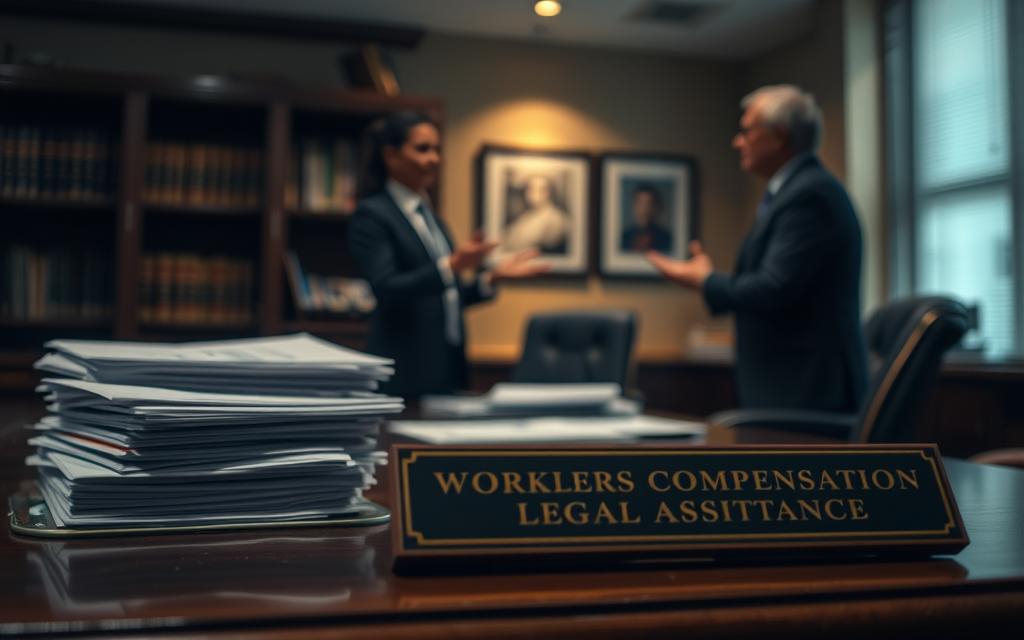
Getting legal help is key after mediation. Lawyers give full support. They help you understand and follow your settlement.
Reviewing Settlement Agreements
Lawyers carefully check your settlement papers. They know Workers Compensation Law well. They spot risks and important details you might miss.
- Analyze complex legal language
- Verify fair compensation terms
- Ensure complete injury coverage
- Protect long-term medical interests
Filing Necessary Paperwork
After mediation, filing the right papers is vital. Lawyers handle these tasks. They make sure everything goes smoothly.
| Document Type | Purpose | Deadline |
|---|---|---|
| Settlement Agreement | Formal Record of Agreement | 30 Days Post-Mediation |
| Medical Records Submission | Verify Treatment Documentation | 15 Days After Settlement |
| Workers Comp Board Filing | Official Claim Registration | 45 Days Post-Agreement |
Good lawyers make the post-mediation process easier. They help you get your money quickly and without trouble.
Possible Reactions from Employers After Mediation
After a workers comp mediation, employers can react in many ways. These reactions can greatly affect the Employee Compensation Law process. The Workers Comp Benefits Timeline often depends on how employers act after mediation.
Employers usually have two main ways to respond after Mediation To Settlement: they can accept or contest the outcome. Knowing these possible reactions helps both employees and legal teams deal with what happens after mediation.
Accepting the Mediation Outcome
When employers agree to the mediation results, they show they want to solve workplace injury claims fairly. They might do things like:
- Make the workplace safer
- Change how they report injuries
- Pay out compensation as agreed
- Talk openly with the injured worker
Contesting the Decision
But sometimes, employers might disagree with the mediation results. They might argue because of:
- Disputes over medical evidence
- Belief the injury wasn’t work-related
- Worries about fake claims
- Questions about how the settlement was figured out
Employers who want to contest must follow strict legal steps. They need to give strong evidence to back their claims. Contesting can make the Workers Comp Benefits Timeline longer and might need more legal help.
The Impact on Future Claims
Workers compensation mediation can change how future claims are handled. It’s important to know how past mediations affect future legal plans. This is true for both workers and employers.

Every mediation teaches us something important for future claims. Past mediations show us how to negotiate better and find solutions.
How Prior Mediation Affects New Claims
When starting new workers comp claims, we think about past mediations. We look at them in a few ways:
- We plan our evidence and documents better
- We improve our negotiation skills
- We know more about what settlements might look like
- We understand legal limits better
Learning From Mediation Experiences
Good workers comp mediation strategy comes from learning from past experiences. We can learn a lot by looking at:
- How well we communicated in the past
- What worked and what didn’t in our arguments
- How emotions played a role in solving disputes
- The financial and legal sides of settlements
Key takeaway: Each mediation gives us new insights to help us manage future claims better.
Frequently Asked Questions about Workers Comp Mediation
Understanding Workers Comp Mediation can be tough. This part answers common questions about what happens after mediation. It also explains key parts of Workers Comp Mediation.
What if I Don’t Agree with the Mediation Outcome?
If you’re not happy with the mediation result, you have choices:
- Ask for another mediation session
- Go to a formal hearing
- Talk to a workers’ compensation lawyer
- Look into other ways to solve disputes
The After Mediation Process offers many ways to fix your workers’ compensation claim. This is if the first mediation doesn’t work out.
How Long Does Mediation Take?
How long mediation takes depends on how complex the case is. Most Workers Comp Mediation sessions last:
| Case Complexity | Typical Duration |
|---|---|
| Simple Cases | 1-2 hours |
| Complex Cases | 2-4 hours |
| Highly Complex Cases | Multiple Sessions |
Things that affect how long mediation lasts include:
- How complex the evidence is
- How many people are involved
- How willing everyone is to compromise
State-Specific Considerations in Workers Comp Mediation
Workers Compensation Law changes a lot from state to state. It’s key for workers and bosses to know these legal differences. This helps in getting Legal Workers Comp Help and handling Employee Compensation Law claims.
Every state has its own rules for mediation. This makes workers’ compensation cases tricky. To succeed, you need to know the local laws well.
Key State-Specific Mediation Differences
- Procedural requirements vary dramatically between jurisdictions
- Mediator qualifications differ by state regulations
- Timeframes for mediation completion range widely
- Settlement calculation methods have state-specific guidelines
Critical State Law Considerations
In states like Florida, mediation rules are strict. For example, Florida makes sure mediators explain their role clearly at the start. Some states need specific documents, while others are more flexible.
Employers must watch out for state rules. This includes:
- Reporting workplace injury timelines
- Mandatory notification procedures
- Documentation requirements
- Potential penalties for non-compliance
Getting help from a professional lawyer is very important. They can help understand the complex rules in workers’ compensation mediation.
Concluding Thoughts on Workers Comp Mediation
Workers comp mediation is key for solving workplace injury disputes. It’s important to know how it works. This knowledge helps both workers and employers a lot.
Mediation needs good preparation, patience, and a smart plan. Tips for mediation include having all your papers ready, knowing your rights, and looking for solutions together. The aim is to find a fair deal for everyone.
After mediation, things can change based on your case. It’s wise to get legal advice to understand agreements and follow the law. Having a workers’ comp lawyer can help a lot.
Importance of Understanding the Process
Knowing about workers’ comp mediation is very important. Learning about laws, possible results, and how things work can help a lot. This knowledge can turn a tough situation into a chance for talking things out.
Seeking Expert Guidance
Mediation is a good way to solve work injury claims, but it can be hard to understand. Getting help from workers’ comp lawyers is very helpful. They offer the support and advice you need during mediation.